

Is Your Child Emotionally Overwhelmed? Signs You Shouldn’t Ignore
Children feel emotions just as intensely as adults do, but they lack the words, maturity, and coping mechanisms to express or control them. Kids might easily get emotionally overwhelmed when their feelings don’t get relieved. The problem is that people frequently mistake feelings of overwhelm for being defiant, misbehaving, or disobedient.
Emotional overwhelm are a sign, not a defect, in reality. If parents are able to recognize when their children are experiencing emotional overload, they can respond with empathy, assist their children avoid emotional difficulties in the future, and build a stronger bond between them. In this article, we’ll learn the signs of emotional overwhelm, the causes of it, and the things parents can do to assist their children cope.
Meaning of Emotional Overwhelm
A child’s brain and emotional resources are still developing, so it’s unfair to expect them to act like little adults. Their neurological systems may become overwhelmed before they can handle life’s demands, whether those demands come from school, family, friends, or deep inside.
When a child is emotionally overwhelmed, it’s not a sign that they are “weak” or “bad”; rather, it indicates that they are feeling more stress and emotions than they can manage at the moment.
Picture yourself attempting to carry a rucksack that is suddenly twice as heavy. You may manage at first, but you’ll soon slow down, stumble, or perhaps drop it completely. What children experience when they are emotionally overwhelmed can be somewhat similar to that.
A child who is emotionally overwhelmed may feel:
- Confused
- Unsafe
- Out of control
- Emotionally flooded
And when those feelings pile up, something eventually happens.
This is not a parenting failure.
This is not a “bad child.”
This is a nervous system asking for help.
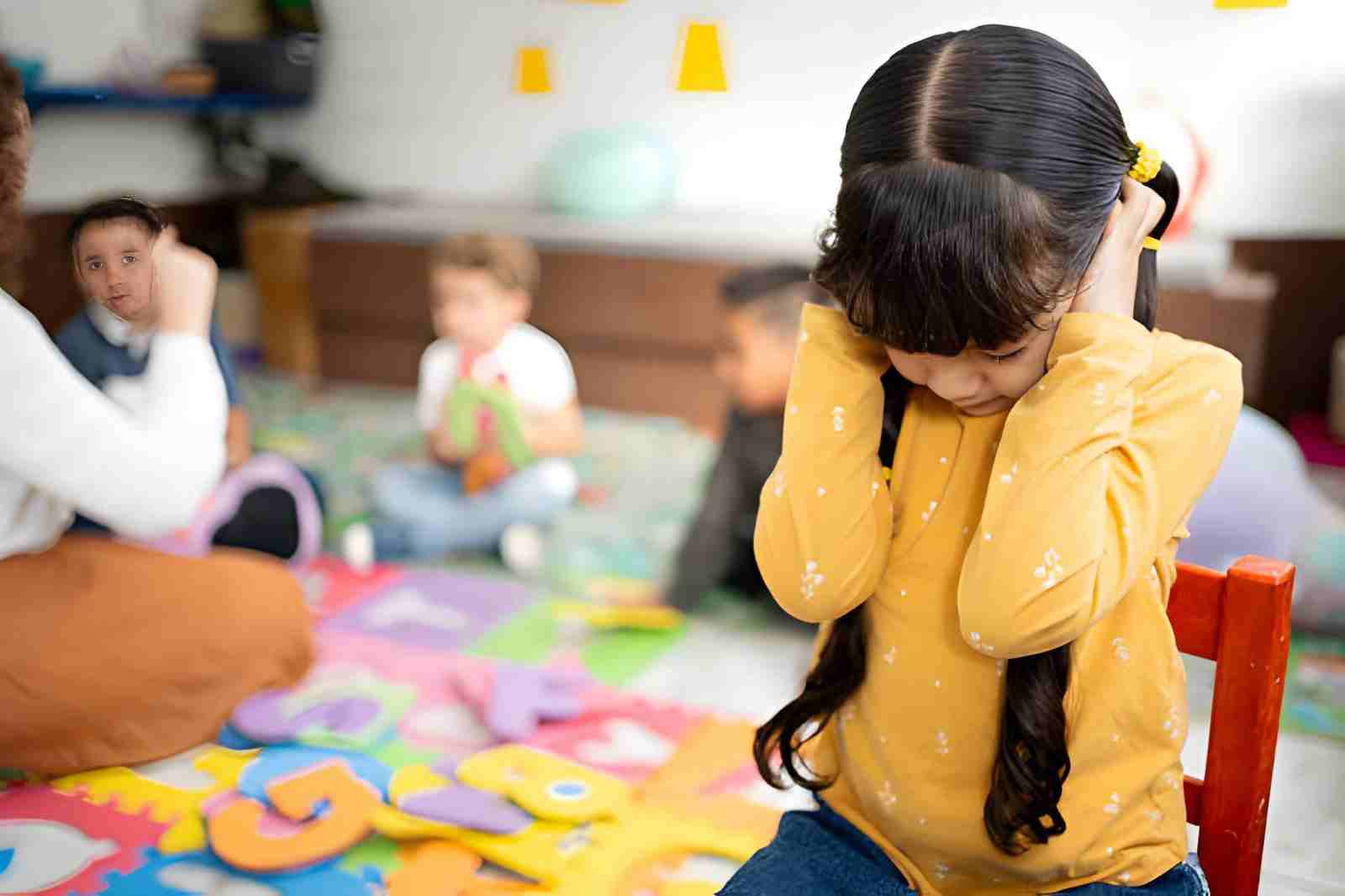
Why Emotional Overwhelm Is So Common in Children Today
A lot of parents are noticing that kids seem “more emotional than before.” And in many ways, they are, because life is just tougher now.
Here are some real, everyday reasons kids get emotionally overwhelmed:
1. Too Much Stimulation, Too Little Downtime
Screens, noise, jam-packed schedules, and constant activities—even the fun ones—can overwhelm a child’s nervous system.
One parent told me:
“My son had soccer, homework, and school pressures, friendships, and the drive to succeed can be a lot to handle, even for the little ones.
2. Pressure They Don’t Know How to Explain
School expectations, peer relationships, comparison, and the desire to “do well” can weigh heavily—even on young children.
Your child might not articulate it as, “School stresses me out”.
They might just say, I hate school.
Or they could cry every morning before they even leave the house.
3. Concealing Feelings
As a result of hearing phrases like “be strong,” “stop crying,” and “it’s not a big deal,” children learn to suppress their emotions rather than manage them. Feelings like that remain. They eventually come back, frequently accompanied by a fury.
4. Absorbing Adult Stress
Kids have an incredibly acute sense of smell; they can detect stress even when their parents think they’re trying to hide it. Even if it doesn’t come out in words, kids feel everything: financial concerns, relational issues, exhaustion.
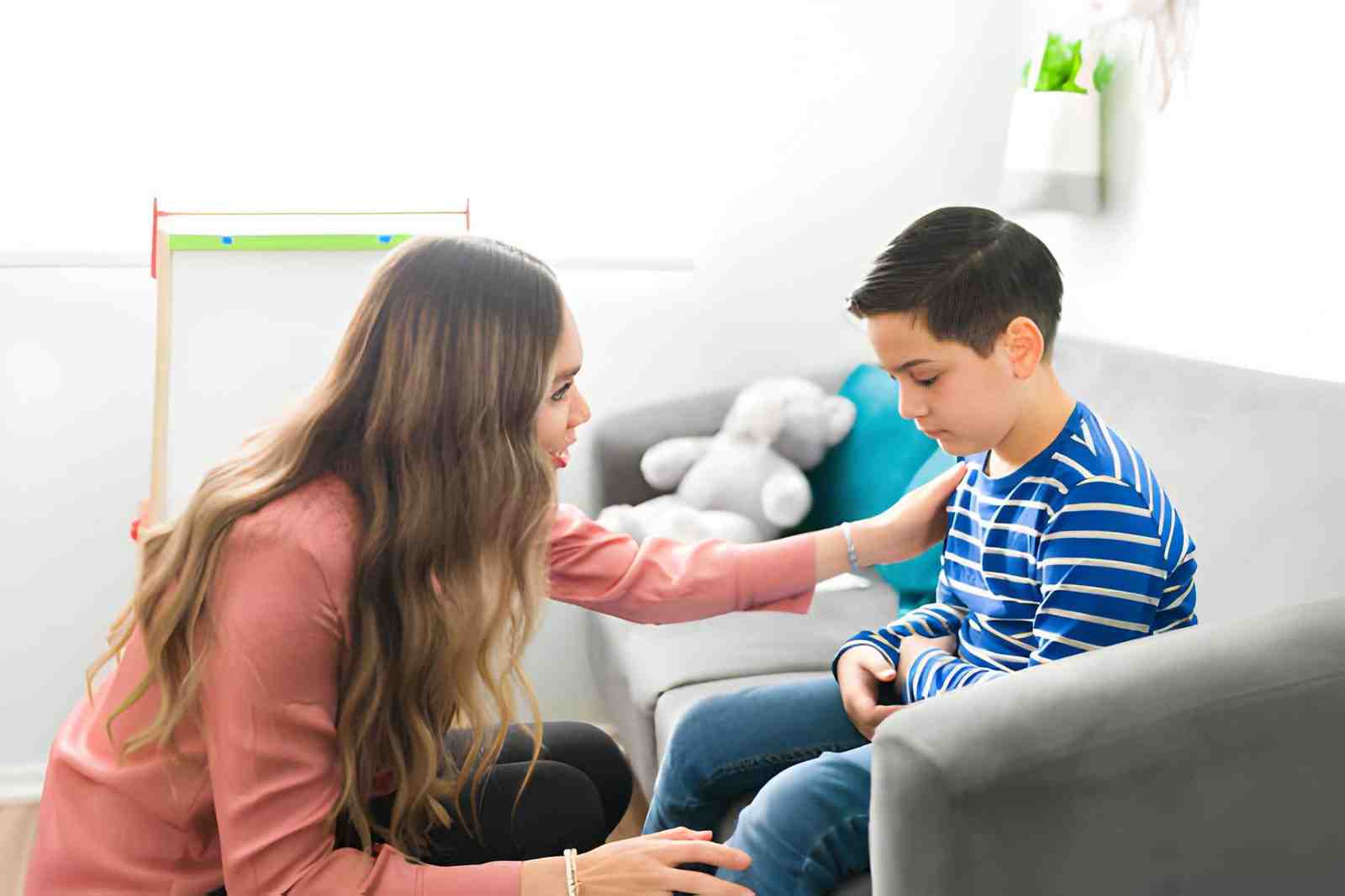
Is Your Child Emotionally Overwhelmed? Signs You Shouldn’t Ignore
A child showing signs of emotional stress could exhibit certain behaviors.
It’s not just a matter of having a rough day now and again. These are recurring patterns, surfacing over and again, and they often feel more intense than the circumstances would warrant.
1. Big Emotional Reactions to Small Things
Have you ever seen a child explode in tears because a crayon broke, or rage over a sandwich cut the “wrong way”? That’s a classic sign a child’s emotional bucket is full.
When feelings stack up, the smallest things might set off a major response.
Frequent, extreme reactions—think excessive tears or outbursts—deserve a closer look.
My six-year-old’s emotional outburst, triggered by requesting help with a puzzle, quickly developed into uncontrollable crying. This reaction was caused by her inability to fit the pieces together, which meant she had reached her emotional limit for dealing with the frustration.
Don’t miss:
- How to Raise Emotionally Intelligent Kids: Real-Life Strategies That Work
- How to Get Kids to Listen — 15 Proven Strategies That Actually Work
2. Changes in appetite
Emotional stress often shows in the body. Your child may:
- Eat much less or more than usual
- Refusing breakfast and then grumbling about “tummy pains” before heading off to school.
These changes aren’t always about medical issues; they can also be the body’s way of reacting to stress or being overwhelmed.
3. Stopping Activities They Used to Enjoy
When you’re feeling drained emotionally, things that used to be fun, like hanging out with friends, playing sports, or even doing art, can suddenly seem like a monumental effort.
A child who shies away from play could be quietly struggling. Your kid used to look forward to football practice, but now they beg to sit out, opting for solitude in their room.
4. Sudden Anger or Irritability
Does your normally happy child seem to become angry easily these days? When you feel emotionally overwhelmed, it looks like this:
- Getting angry with siblings
- Responding more than usual
- Quickly getting angry
- Tone that is hostile
Kids don’t always say, “I’m stressed.” They act it out instead.
5.Withdrawal or Isolation
Not all overwhelmed children are loud. Some go quiet.
Watch for:
- Spending more time alone
- Avoiding friends
- Refusing family conversations
- Less interest in favorite activities
This is especially common in older kids and teens.
Withdrawal can be a protective response — their brain trying to reduce stimulation.
6. Increased Crying
Crying more than usual — even over things they normally handle well — is a major sign.
Sometimes parents say, “He cries about everything now.”
Crying can be a release valve. When emotions build up without being processed, tears often follow.
7. Physical Complaints Without Clear Medical Cause
Emotional stress doesn’t just stay in the mind — it shows up in the body.
Common complaints include:
-
Stomach aches
-
Headaches
-
Fatigue
-
“I don’t feel well” before school.
If medical causes are ruled out, emotional overwhelm may be the hidden factor.
8. Trouble Sleeping
Sleep and emotions are closely connected.
Signs include:
-
Difficulty falling asleep
-
Night waking
- Fight bedtime or wake up frequently at night
- Sleep too much during the day
-
Nightmares
-
Wanting to sleep with parents more than usual
An overwhelmed brain struggles to “switch off.”
9. Difficulty Concentrating
Teachers could report:
- Daydreaming
- Work that isn’t done
- Not remembering
- Grades going down
When a child’s emotional tank is full, it is harder for them to learn. Their brains put survival and regulation ahead of focus.
10. Being clingy
Younger kids may notably become:
- Extra attached
- Crying at drop-offs
- Always needing to be reassured
Being clingy often means you’re insecure or emotionally overwhelmed, not that you’re trying to control someone.
11.Regressive Behaviors
A toilet-trained child having accidents.
- A child who stopped thumb-sucking starting again.
- Suddenly using baby talk.
Regression is a common stress response. It’s the brain seeking comfort in earlier coping methods.
12. Saying “Nobody Likes Me” or “I’m Bad”
When children begin negative self-talk, it’s a red flag.
Statements like:
- “I can’t do anything right.”
- “Nobody wants to play with me.”
- “You don’t love me.”
These often come from feeling emotionally flooded, not from actual truth.
What Emotional Overwhelm Looks Like at Different Ages
Toddlers Ages 1–3)
- Meltdowns that seem “out of nowhere”
- Clinginess
- Difficulty calming down
- Sleep disruptions
School-Age Children (Ages 4–10)
- After-school meltdowns
- School refusal
- Irritability or emotional outbursts at home
- Trouble focusing
Many kids “hold it together” all day and collapse where they feel safest—at home.
Preteens and Teens
- Withdrawal
- Sudden attitude changes
- Loss of interest in things they once lovedI
- Increased sensitivity to criticism
Emotional overwhelm in older kids often hides behind silence.
Is Your Child Emotionally Overwhelmed? Signs You Shouldn’t Ignore

How Parents Can Help an Emotionally Overwhelmed Child
Some helpful actions you can do are:
1. Maintain Composure and Engage
Your quiet demeanour makes your child feel secure. If you sit quietly by their side, you can help calm their anxious system.
2: Identify Your Observations
Instead of asking, “Why are you behaving this way?” try asking, “It appears like you’re feeling frustrated — am I right?” This enhances their emotional vocabulary and makes them feel more understood.
3. Teach Emotional Language
Help them identify their emotions:
“Are you feeling frustrated?”
“Does this feel disappointing?”
“Are you feeling worried or overwhelmed?”
Emotional vocabulary allows children to communicate their feelings rather than acting them out.
4. Establish Predictable Routines
Consistent routines promote emotional security. Knowing what to expect alleviates worry and mental stress
5. Make Sure You Include Rest Periods
For children’s nervous systems to relax, they require time and space for activities like silent play, reading aloud, or playing outside.
6. Foster Creative Expression via Play and Art
Expressing one’s feelings through art, performance, or role-playing might be more effective than words alone at times.
7. Make sure their feelings are real.
Don’t downplay feelings by saying something like,
“You’re fine.”
“It’s not a big deal”
“Stop crying”
Instead, say:
“That sounds really hard”
“I can see you’re upset”
“I’m here with you”
Validation makes kids feel safe and understood.
8. Lower the amount of stimulation
Set limits on too much screen time, too many appointments, and loud places. Children’s emotions can reset when they have quiet, unstructured time.
9. Model Healthy Emotional Regulation
Kids learn by seeing what adults do. Kids learn how to deal with stress and communicate about their feelings when their parents do the same.
10. Before you correct, focus on connection.
Discipline doesn’t work when people are upset. First, calm the child down. Then, when their nervous system has stabilised, talk about their behaviour.
When to Seek Extra Support
When emotional issues escalate, disrupt everyday functioning (such as with school, friends, or sleep), or persist for an extended period of time, it is recommended to seek the assistance of a child therapist or counsellor for personalised treatment. Assisting others in need demonstrates resilience rather than frailty.
Is Your Child Emotionally Overwhelmed? Signs You Shouldn’t Ignore
At last, a few contemplations violent wrath is just one indicator of emotional excess. Constant fatigue, withdrawal, avoidance of social situations, or subtle changes in behaviour are some indications. The most important thing is to look for trends rather than random occurrences. Your child may not be acting out if they are simply dealing with a flood of emotions. A child’s emotional resilience can be greatly enhanced by your understanding, kindness, and consistent support.