

You’re not alone if you’ve ever thought, “Why is my child always angry ? ”One minute everything is fine… and the next, your child is yelling, crying, slamming doors, or reacting in a way that feels completely out of proportion.
It’s exhausting.
It’s confusing.
And sometimes, it even makes you question yourself as a parent.
But here’s something most people won’t tell you:
Anger in children is rarely the real problem.
It’s usually a signal—a loud one—that something deeper is going on.
Let’s break it down in a way that actually makes sense—and more importantly, helps you respond better.

What Your Child’s Anger Really Means
Children don’t always have the words to say:
- I feel ignored”
- I’m overwhelmed”
- I’m frustrated”
- I don’t feel understood”
So instead… they show it through anger.
Think of anger as your child’s emergency language.
A friend once shared how her 7-year-old son would get angry every evening—shouting, throwing things, refusing to listen.
At first, she thought he was just being “difficult.”
Later, she realized something important:
His anger started right after she got home from work… when she was too tired to talk or connect.
What he really needed wasn’t discipline.
It was attention and reconnection.
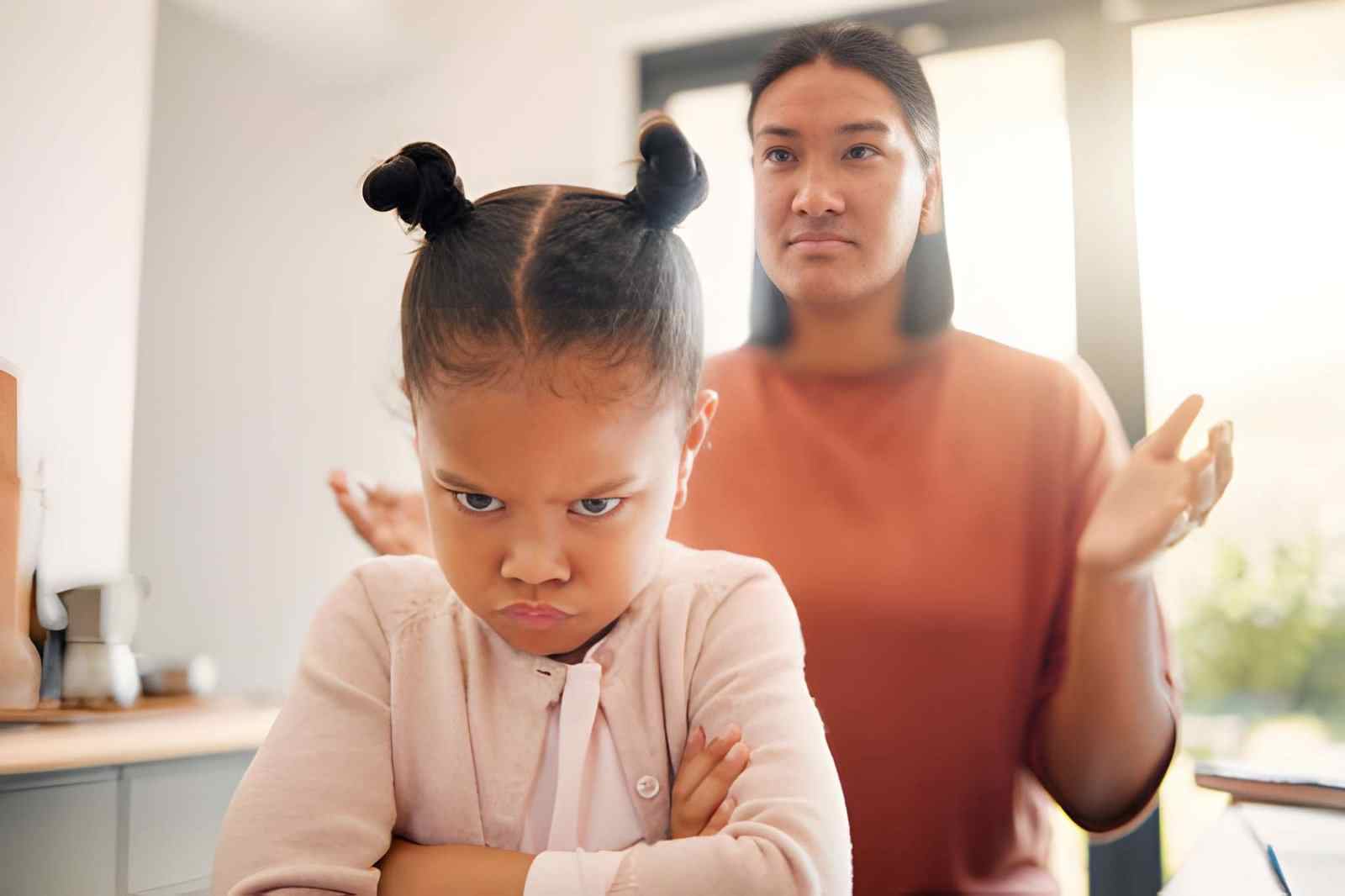
Why is my child always angry?
Common reasons why my child is always angry.
1. Unmet Emotional Needs
Sometimes children act out simply because they feel:
- Ignored
- Unheard
- Unimportant
Even small things—like being distracted on your phone—can build up over time.
A 7-year-old may act out after school because parents are busy and haven’t spent one-on-one time with them.
Don’t miss:
- Is Your Child Emotionally Overwhelmed? Signs You Shouldn’t Ignore
- How to Get Kids to Listen — 15 Proven Strategies That Actually Work
2. Too Much Screen Time
Yes, this one is big.
Excessive screen use can:
- Reduce patience
- Increase irritability
- Affect sleep
Overstimulate the brain
A child who spends hours on screens may struggle to regulate emotions in real life.
3. Lack of Sleep
An overtired child = an emotional child.
When kids don’t sleep well, they:
- Get frustrated easily
- Overreact
- Struggle to cope
Sometimes, anger is just exhaustion in disguise.
A 6-year-old who didn’t sleep well or skipped breakfast may lash out more easily during the morning routine.
4. Big Feelings They Don’t Understand
Children experience emotions strongly—but don’t always understand them.
So instead of saying:
“I feel overwhelmed”
They show:
Anger, shouting, or crying
5. Feeling Powerless
Kids don’t have much control over their lives.
When they feel constantly told:
- “No”
- “Stop”
- “Don’t do that”
They may use anger as a way to regain control.
6. Changes at Home or School
Even small changes can affect children deeply:
- New school
- New sibling
- Family stress
- Less attention
Children often express stress through behavior—not words.
7. They’re Copying What They See
Children learn by watching.
If they see frequent:
- Yelling
- Frustration
- Harsh reactions
They may mirror the same behavior.
A child whose father is a chronic yeller, for instance, could internalise the message that anger management is effective.
8. Hard to say how they feel
A lot of kids don’t have the words to talk about complicated feelings like grief, anxiety, or disappointment. Anger is the easiest way to let out your feelings.
For example, a kid who is jealous of a sibling can yell or toss toys instead of expressing, “I feel left out.”
9. Stress and overwhelm
School stress, social problems, or family fights can make kids feel overwhelmed, which can make them angry and irritable.
For example, a 10-year-old snaps at their parents while doing homework because they are stressed out by schoolwork.
10. Feeling Unheard or Unfairly Treated
Children are sensitive to fairness. Feeling neglected or unfairly treated might lead to frequent outbursts.
A child may become resentful, for example, if their parents constantly single out a sibling’s insignificant achievements while ignoring their own.
11. Sensory Sensitivities
Some kids are sensitive to loud sounds, crowded places, or certain textures. When you are overstimulated, you may get angry as a way to deal with it.
For example, a child who is sensitive to sounds may get angry in a crowded store and throw a tantrum or scream.
12. Worry or fear
Anger can be a sign of anxiety. When kids are scared or unsure of themselves, they may act aggressively to protect themselves emotionally.
For instance, a child who is worried about a new teacher may act out in class or at home instead of saying how they feel.
13. Mental health problems that are hidden
Anger that doesn’t go away can sometimes be a sign of ADHD, depression, or other emotional problems. Anger could be a sign of something else going on.
For instance, a teenager with ADHD might have trouble controlling their impulses, which could cause them to get angry often at home or at school.
What Most Parents Get Wrong
Let’s be honest—when a child is constantly angry, the natural reaction is:
- “Stop shouting!”
- “What is wrong with you?”
- “Go to your room!”
But here’s the truth:
Punishing anger doesn’t teach emotional control.
It often:
- Makes the child feel misunderstood
- Increases frustration
- Worsens the behavior over time
What Really Works (Useful Tips)
Let’s speak about some things you can do differently now.
1. Pause Before You React
This is hard, but it works.
Instead of reacting right away, try:
- Taking a deep breath
- Talking softer
Your composure helps your child keep their feelings in check.
2. Look beyond the behavior
Think about:
“What does my child want to say to me?”
Anger is only the surface.
3. Help Your Child Talk About How They Feel
A lot of kids act out because they can’t find the right words.
You can say:
- “Looks like you’re really upset.”
- “Are you upset about what happened?”
This builds emotional awareness.
4. Create Daily Connection Time
A little bit of time (10–15 minutes) each day can make a big difference.
No phone. No distractions.
Just:
- Speaking
- Playing
- Listening
This stops emotions from building up.
5. Set Clear but Calm Boundaries
Being understanding doesn’t imply letting bad behavior happen.
You can say:
- “I understand that you’re angry, but we don’t hit.”
- “It’s fine to be upset, but it’s not okay to yell at people.”
6. Reduce Overstimulation
If your child is always angry:
- Cut down screen time
- Ensure proper sleep
- Create quiet moments
7. Teach Healthy Ways to Express Anger
Help your child let out their feelings in a safe way:
- Talking about feelings
- Drawing
- Breathing deeply
- Walking away
A Small Change in Your Mindset That Changes Everything Instead of saying, “My child is hard,” Try to think, “My child is having a hard time.” That one alteration impacts how you act.
Conclusion
your child is always angry, don’t just look at the behavior.
Look beneath it.
Because behind every angry child is usually:
- A feeling they can’t express
- A need that isn’t being met
- Or a skill they haven’t learned yet
And when you shift from:
“How do I stop this behavior?”
to
“What is my child trying to tell me?”
Everything begins to change.
Just because your child is always upset doesn’t imply you’re a horrible parent. Your kid is “bad” It just signifies that something has to be looked at.There is always an emotion behind an angry child that they can’t articulate. A need that isn’t being met A voice that isn’t being heard. The good news? You can change things for the better with understanding, patience, and tiny modifications.