
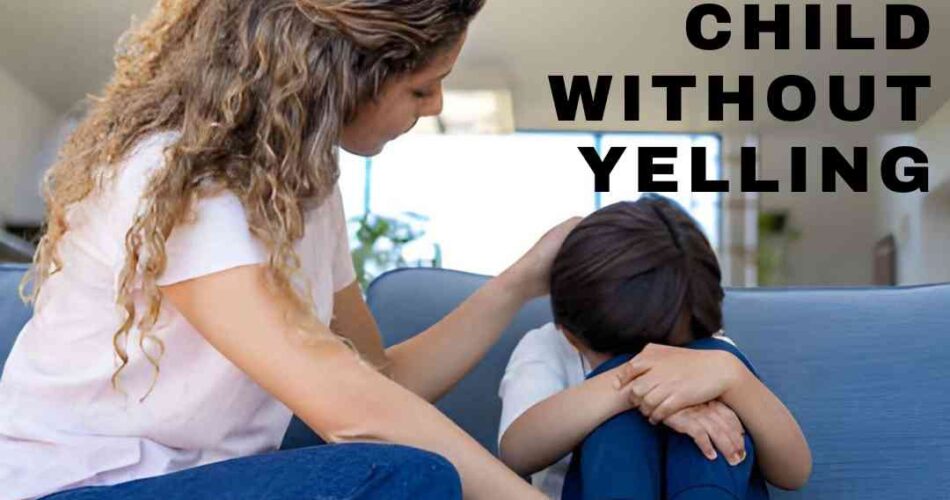
How to Calm an Angry Child Without Yelling, Every parent has been there. Your child is screaming…. Crying…. Throwing things…
And before you know it, you’re raising your voice too.
But afterward?
- You feel guilty.
- Drained.
- Frustrated.
Here’s the truth:
Yelling might stop the behavior for a moment—but it doesn’t teach your child how to handle their emotions.
If you want lasting change, your child needs something different.
They need guidance, not fear.
You should learn how to calm an angry child without yelling using practical, proven strategies that build emotional control and reduce tantrums.
Let’s walk through exactly how to calm an angry child—without yelling.
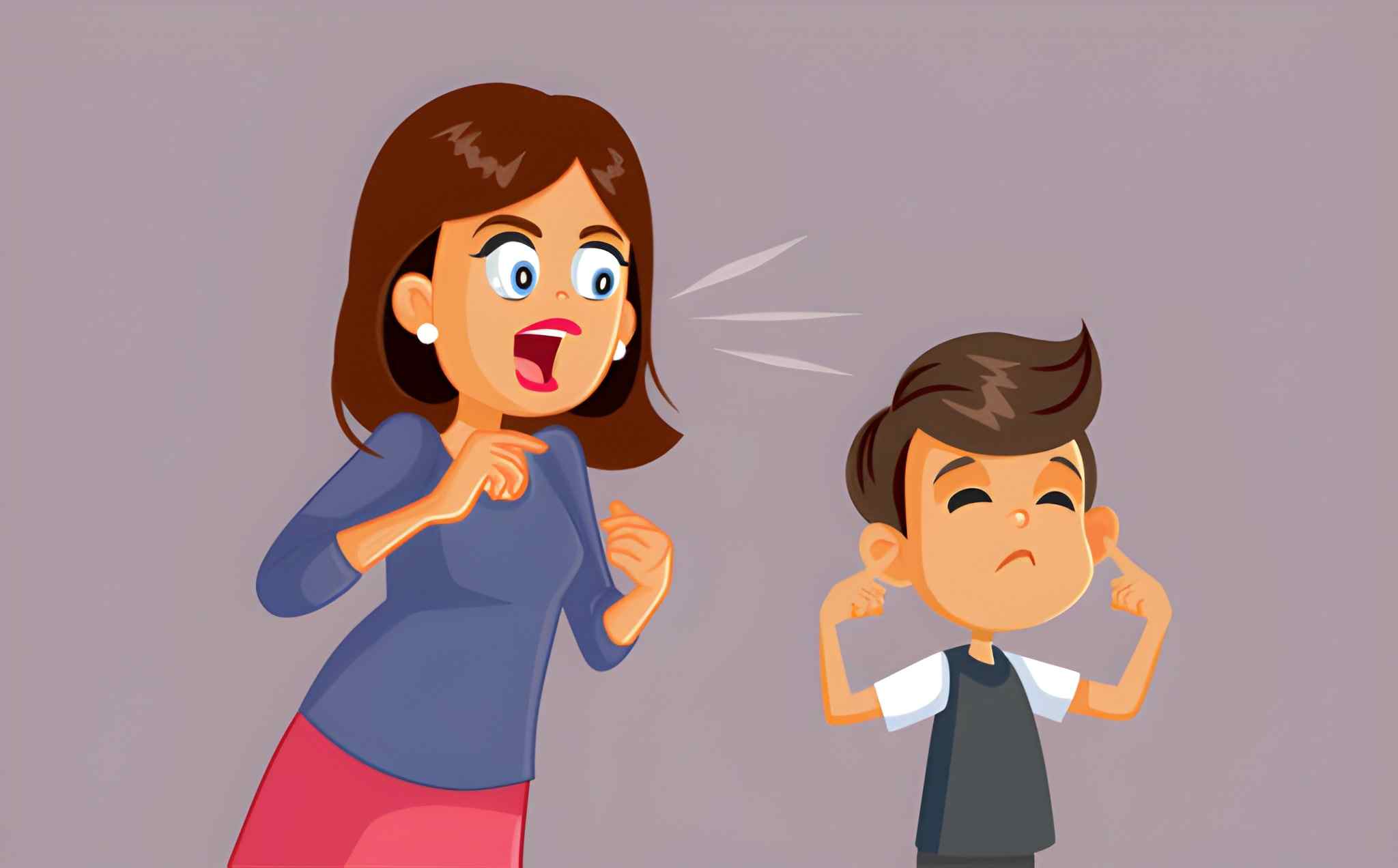
Why yelling makes things worse
Yelling can feel effective because it creates immediate silence. But what’s really happening?
Most parents don’t know this, but when you yell, your child’s brain goes into “survival mode.”
- Your child is reacting to fear, not learning self-control
- It teaches them that “big emotions = loud reactions”
- It can damage trust over time
- It doesn’t address the real problem behind the anger
They don’t think about what they did wrong or what they should do, instead; they’re just acting out of fear or stress. The outcome is more tears, more rage, and more disconnection.
If your child is already overwhelmed, adding more intensity only makes things worse.
What they actually need in that moment is calm, not control.
Read this:
- No Yelling, Just Results: Positive Discipline That Works
- What to Do When Your Child Gets Angry Over Little Things
What’s Really Behind Your Child’s Anger?
Before you can calm the anger, you need to understand it.
Anger in children is usually a signal, not the root problem. It often comes from:
- Frustration (“I can’t do this!”)
- Hunger or tiredness
- Feeling unheard or ignored
- Overstimulation (too much noise, screen time, or activity)
- Lack of emotional skills
For example:
A child throwing a tantrum over homework might not be “stubborn”—they may feel confused or afraid of failing.
When you shift your mindset from
“This child is difficult” to
“This child is struggling”, everything changes.
What Your Child Really Needs in That Moment
When a child is angry, they’re not trying to “be bad.”
They’re:
- Overwhelmed
- Frustrated
- Unable to express big emotions
Your calmness makes them calm. That’s the secret.
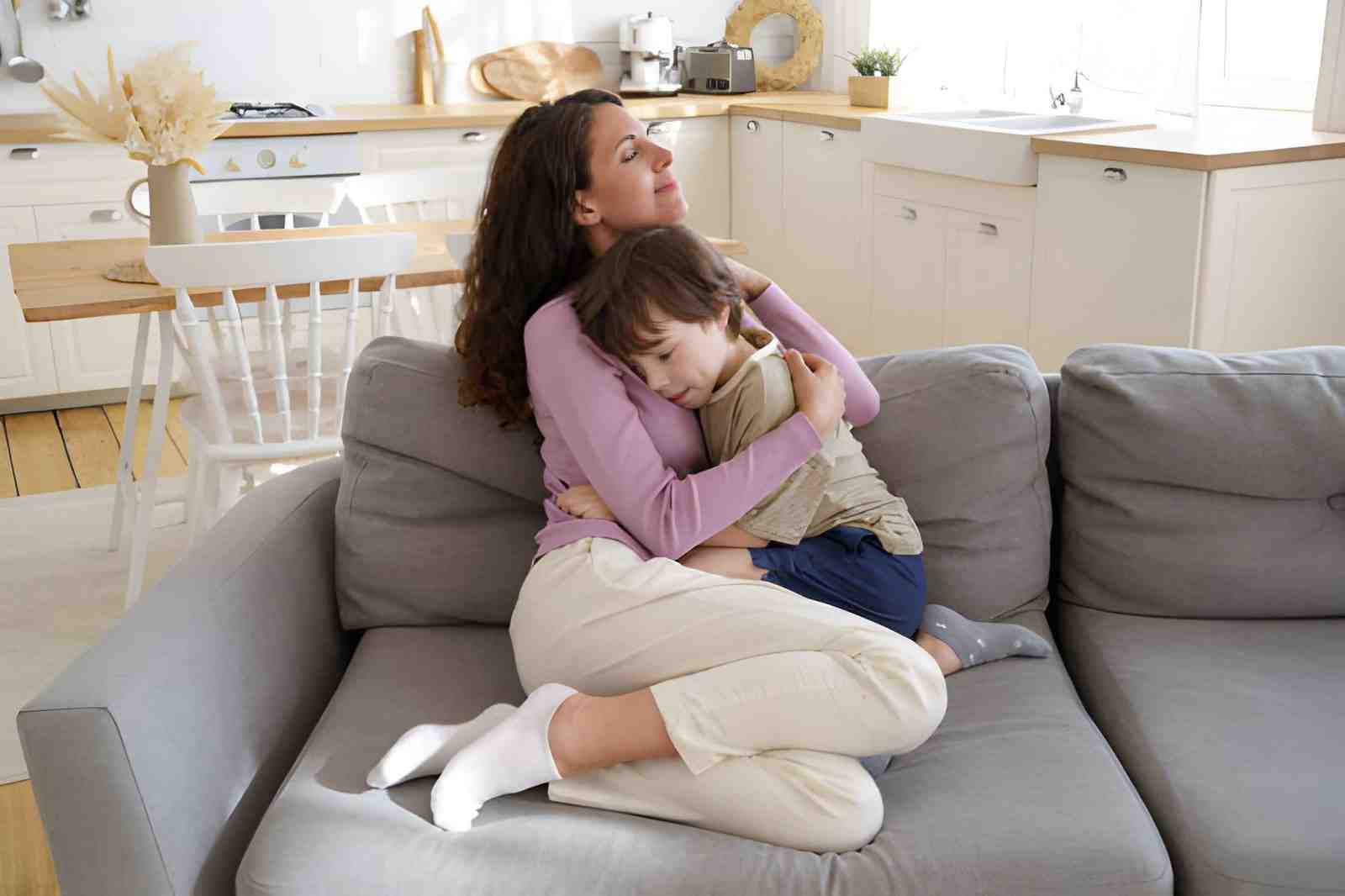
How to Calm an Angry Child Without Yelling
1. Pause before you react
This is the hardest step, but it’s also the most powerful. Children mirror your emotions. If you escalate, they escalate. If you stay calm, their nervous system slowly follows yours.
For example:
Your child is yelling because you turned off the TV. Instead of shouting back:
- Take a deep breath
- Count to five
- Relax your shoulders
- Lower your voice
- Speak slowly.
This short break can help you avoid making things worse.
2. Get Down to Their Level
Standing over a child can make them feel scared.
Instead,
- kneel or sit down,
- Keep your body relaxed,
- make gentle eye contact, and say,
“I can see you’re really upset.”
This simple shift makes your child feel safer—and more willing to listen.This quickly calms things down.
3. Name the Emotion (This Works Like Magic)
Many children don’t fully understand what they’re feeling. When you help them name it, it reduces the intensity.
Try saying:
- “You’re feeling really angry right now.”
- “That was frustrating, wasn’t it?”
- “You didn’t like that at all.”
It may seem small, but it helps your child feel seen—and that alone can calm them down.
4. Validate Their Feelings (But Don’t Agree)
Validation does not mean approval.
It means to know.
Say things like:
- “That made you very angry.”
- “I get why you’re upset.”
Don’t say:
- “Stop crying”
- “It’s not a big deal.”
Kids calm down faster when they know they are being heard.
5. Speak in a calm, low voice.
This might sound easy, but it is very powerful. When your child is loud and you talk to them softly…
They start to match your energy without even thinking about it.
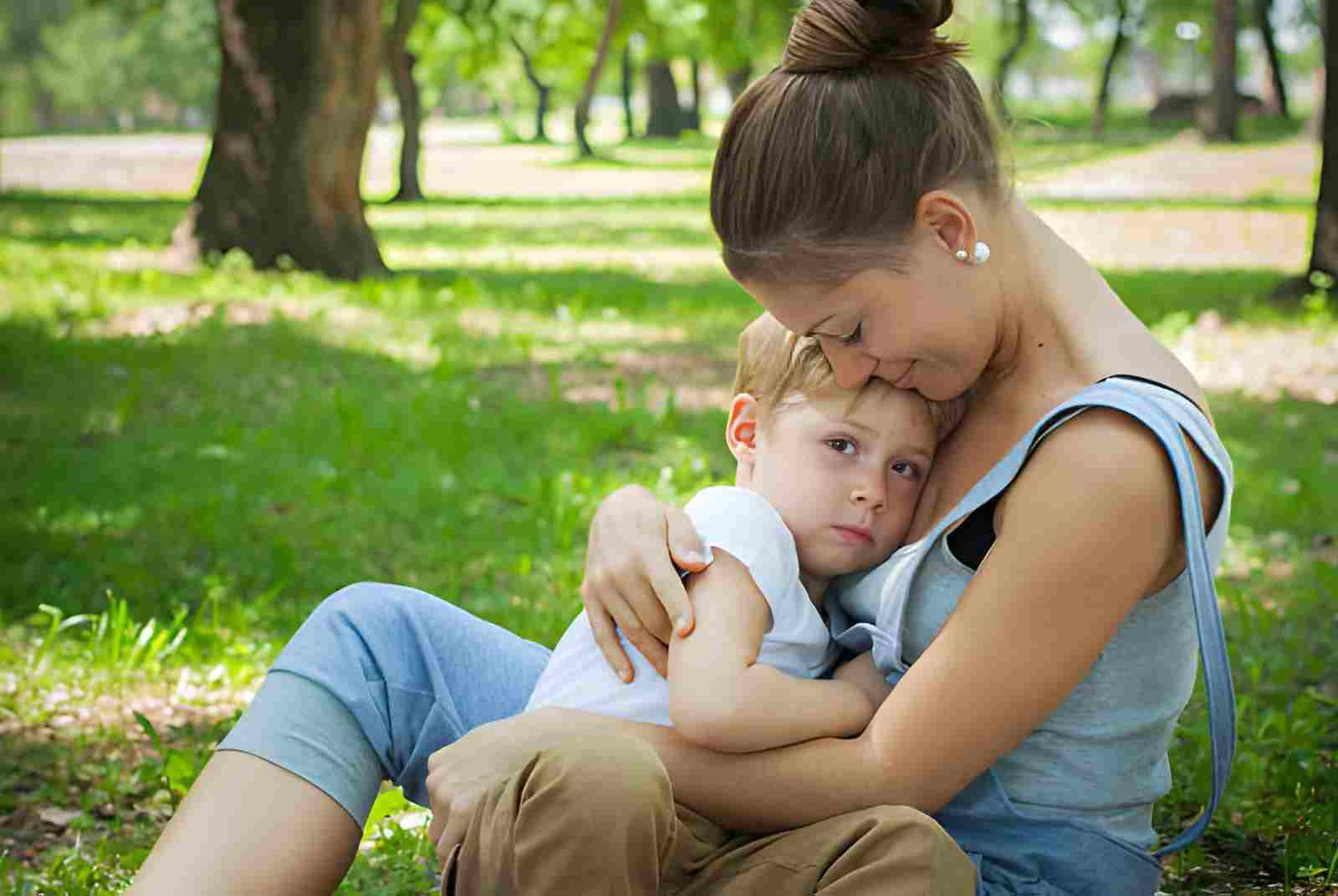
6. Offer physical comfort (if they want it)
Touch helps some kids calm down.
- Try giving a soft hug.
- Holding their hand.
- Sitting close, but if they pull away, respect that.
7. Help Them Find Words for Their Feelings
A lot of kids act out because they don’t know how to say what they mean. Help them:
- “Are you angry because your toy broke?”
- “Are you upset because you wanted more time?”
They’ll start using words instead of outbursts as time goes on.
8. Redirect, Don’t Punish in the Heat of the Moment
When emotions are high, teaching won’t work.
Instead:
- Change the environment
- Offer a calming activity
- Give space if needed
Save discipline for later—when they’re calm.
9. Create a “Calm-Down Space”
Instead of sending your child away as punishment, create a safe space they can go to regulate emotions.
It could include:
- A soft pillow or mat
- Favorite toy
- Books
- A quiet atmosphere
Make it feel like a safe retreat—not a prison.
10. Use Fewer Words (Not More)
When a child is angry, long explanations don’t work.
Their brain isn’t ready to process logic.
Instead:
- We don’t hit.
- I’m here.
- Let’s breathe.
Short. Calm. Clear.
11. Watch for Triggers
Sometimes anger has patterns.
Ask yourself:
- Are they tired?
- Hungry?
- Overstimulated?
- Seeking attention?
Fixing the root cause often reduces the outbursts.
12. Be Consistent (This Is Everything)
One calm response won’t change everything overnight.
But consistency will.
The more you respond calmly:
- The safer your child feels
- The faster they learn self-control
- The fewer meltdowns you’ll see over time.
What to Do After They Calm Down?
This is where genuine learning occurs.
Even if things didn’t go perfectly (because no parent is perfect), what you do afterward matters most.
Once your child is quiet, discuss it:
- “What made you feel that way?”
- “What can we do next time?”
- Help your child understand their feelings
- Discuss better ways to respond next time
Keep things basic and supportive.
And if you yelled?
Say:
“I’m sorry I shouted earlier. I was frustrated, but I’m working on staying calm.”
This teaches accountability—and models healthy behavior.
What Happens When You Stop Yelling?
At first… it may feel like it’s not working.
Your child may still get angry.
But afterward, something powerful happens:
- They calm down faster
- They trust you more
- They start copying your calm behavior
- Their outbursts reduce
Because now, they’re not learning fear…
They’re learning self-control.
Common Mistakes To Avoid
Even loving parents create these:
- Yelling to “gain control”
- Threatening or shaming
- Ignoring feelings completely
- Expecting immediate change
Remember, emotional skills take time to develop.
When things are difficult, remember that you are human.
There will be days when you lose patience.
What matters is consistency, not perfection.
Even if you screw up:
Apologize, reconnect, and try again.
That in itself teaches your child something powerful.