

Signs Your Child’s Anger Needs Attention Every child gets angry. One minute they’re laughing, the next they’re on the floor crying because you gave them the “wrong” spoon. It’s normal. It’s part of growing up.
But sometimes… it doesn’t feel normal.
Sometimes the anger feels too intense, too frequent, or too hard to control. And as a parent, you start to wonder:
“Is this just a phase… or is something deeper going on?”
That question matters.
Because while occasional anger is healthy, unmanaged or persistent anger can be a signal your child needs help—not punishment.
Most parents don’t notice the difference—until the behavior becomes overwhelming.
This article will help you see what others miss and the signs you shouldn’t ignore.
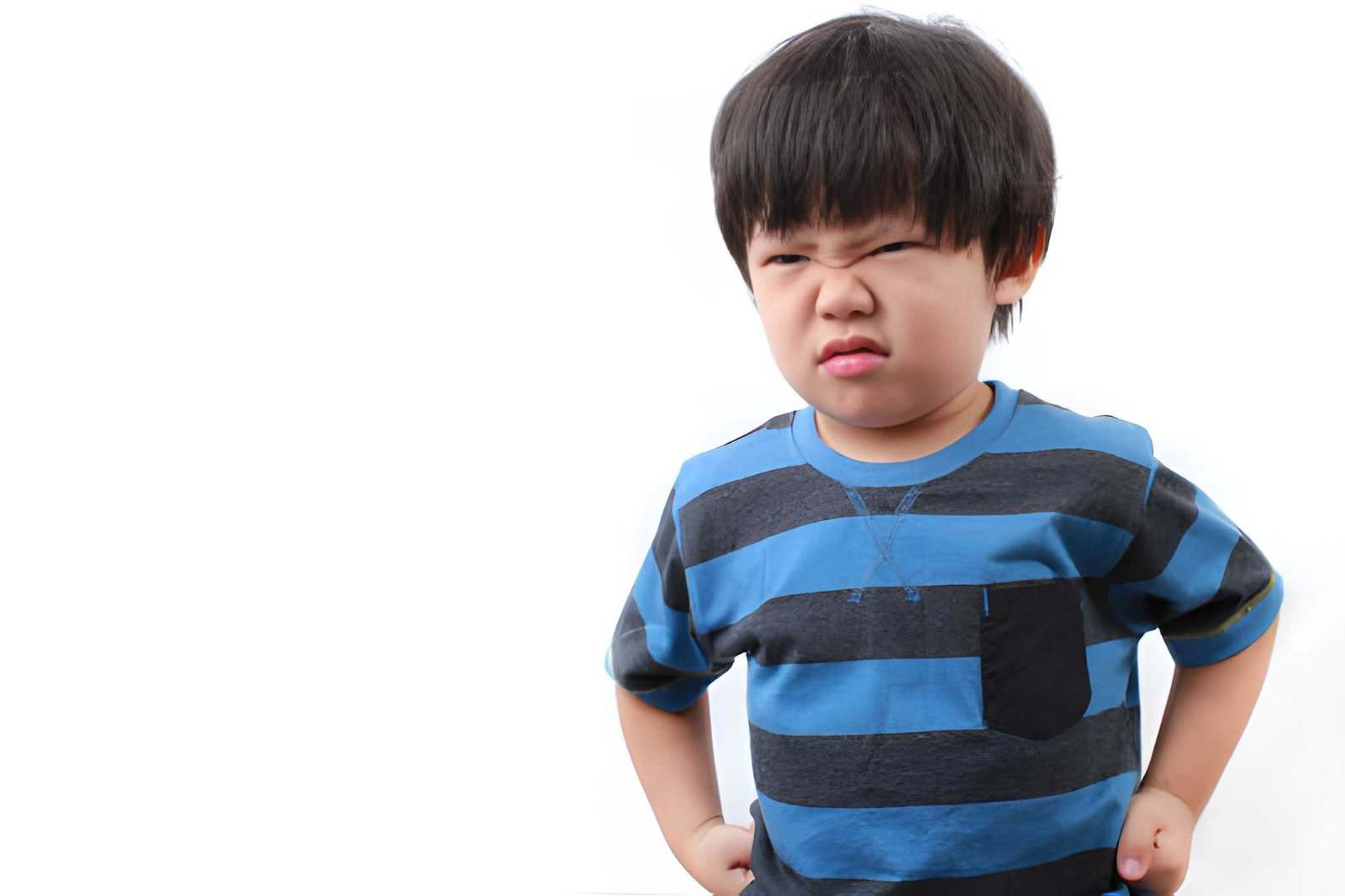
When Is Anger Normal—and When Should You Pay Attention?
All children get angry. That’s part of growing up.
But here’s the difference:
- Normal anger comes and goes
- Concerning anger is frequent, intense, and hard to control
If your child struggles to calm down, reacts aggressively, or seems constantly on edge…
It’s time to look closer.
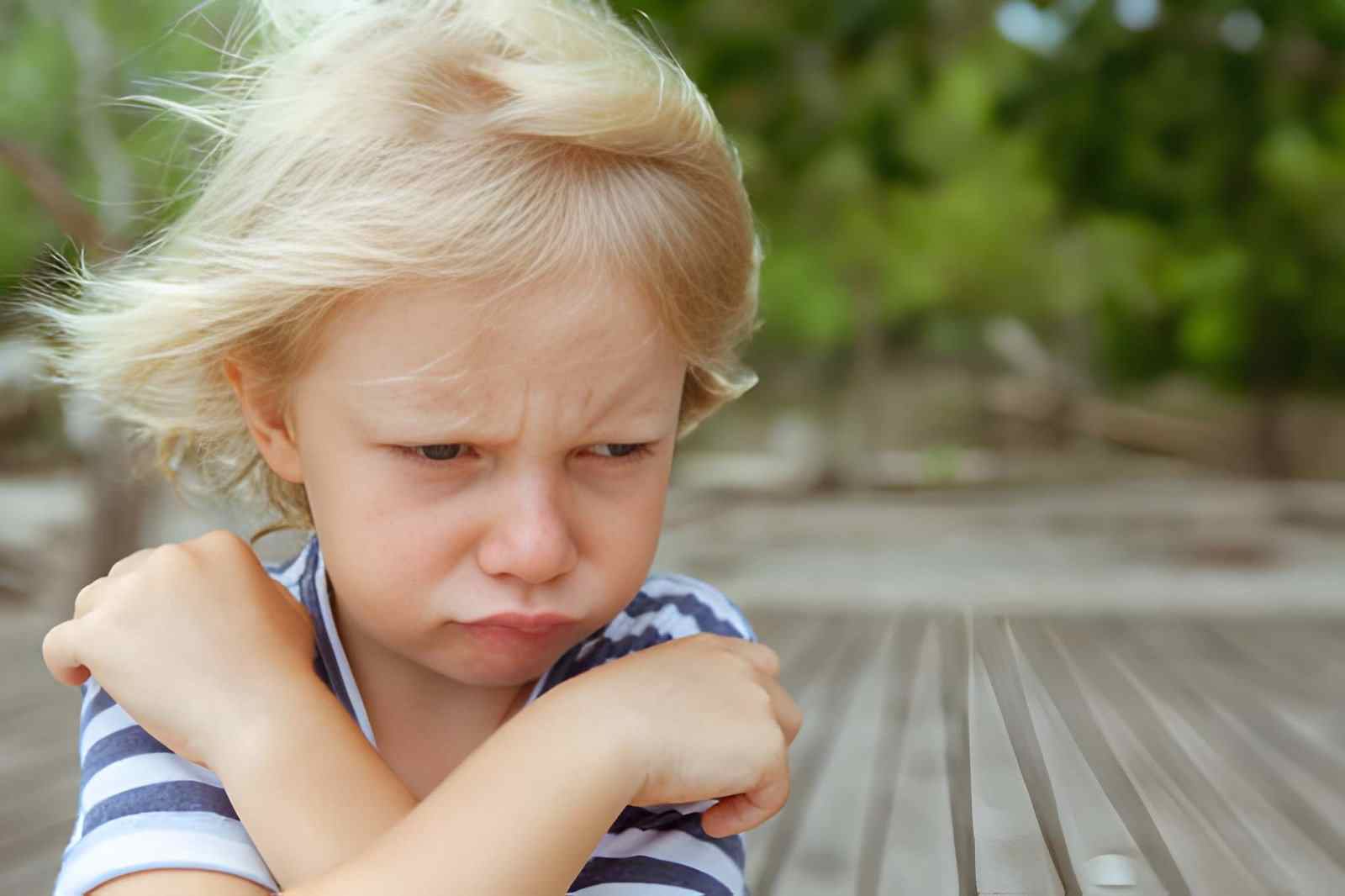 9
9
Signs Your Child’s Anger Needs Attention
1. The Anger Happens Too Often
Every child has bad days. But if your child seems angry almost every day, it’s worth paying attention.
You might notice:
- Frequent shouting or screaming
- Constant irritability
- Getting upset over very small things
For example,
A mum noticed her 6-year-old got upset every morning before school—shouting, refusing to get dressed, even crying.
At first, she thought it was stubbornness.
Later, she discovered her child was anxious about a classmate.
Check this out:
- Why is my child always angry? (what most parents miss)
- Is Your Child Emotionally Overwhelmed? Signs You Shouldn’t Ignore
2. Little Things Cause Big Explosions
You decline biscuits.
And it becomes a complete breakdown.
You gently alter their routine…
And they become uncontrollable.
It means that:
Their emotional reaction is greater than the circumstances. That suggests they might be having internal problems.
3. When they are angry, they get physical.
This is one of the most obvious warning signs.
- Hitting
- Kicking
- Biting
- Tossing things
It can be aimed at:
- Brothers and sisters
- Moms and dads
- Other kids
A friend said that her son would push his younger sister when he was angry. At first, it looked like “normal sibling rivalry.”
But it kept getting bigger.
If your child is physically aggressive, it means they need help learning how to control themselves.
4. They Struggle to Calm Down (Even After Time Passes)
Most children eventually settle down.
But if your child
- Is upset for a long time.
- Continues to bring up the topic.
- Unable to settle even with comfort.
Keep an eye out for that. It demonstrates difficulties with emotional management.
5. They Say Hurtful or Extreme Things
Words can sometimes show anger.
- “I hate you!”
- “You’re the worst mom!”
- “I wish I wasn’t here!”
These words can really hurt.
But often, they don’t mean what they say.
Your child doesn’t know how to express what they’re feeling.
So, they use the strongest words they can think of.
But if this happens a lot, it needs to be looked into.
6. Anger Is Affecting School or Friendships
This is a big one.
Ask yourself:
- Are teachers complaining?
- Is your child getting into fights?
- Do they struggle to keep friends?
For example:
A teacher noticed a child who would get angry at classmates over little things.
Later, other kids didn’t want to play with him anymore.
His anger began to affect his social life.
7. They blame others for everything
Nothing is ever their fault.
- I had to do it because of her!”
- “You started it!”
- “It’s because of him!”
It indicates that your child has not yet acquired emotional intelligence or responsibility.
And if not addressed at an early stage, that could develop into more serious problems.
8. You Feel Like You’re Walking on Eggshells
This one is more about *you*.
If you constantly feel like:
* “Anything might set them off”
* “I have to be careful what I say”
Then something isn’t right.
Truth:
Your home should feel safe—not tense
9. Their Anger Is Getting Worse Over Time
Instead of improving, it’s:
- Becoming more frequent
- More intense
- Harder to manage
That’s a clear sign it shouldn’t be ignored.
10. Your Gut Is Telling You Something Is Off
Never ignore this. Parents often sense things before they can explain them. If you feel:
“This is more than normal…
You’re probably right.
What Could Be Behind the Anger?
Here’s what many parents don’t realize:
Anger is often a secondary emotion.
Underneath it could be:
- Frustration
- Fear
- Anxiety
- Jealousy
- Feeling unheard
- Changes at home (new baby, school stress, etc.)
A child who shouts “Leave me alone!”
Might actually be saying:
“I don’t feel understood.”
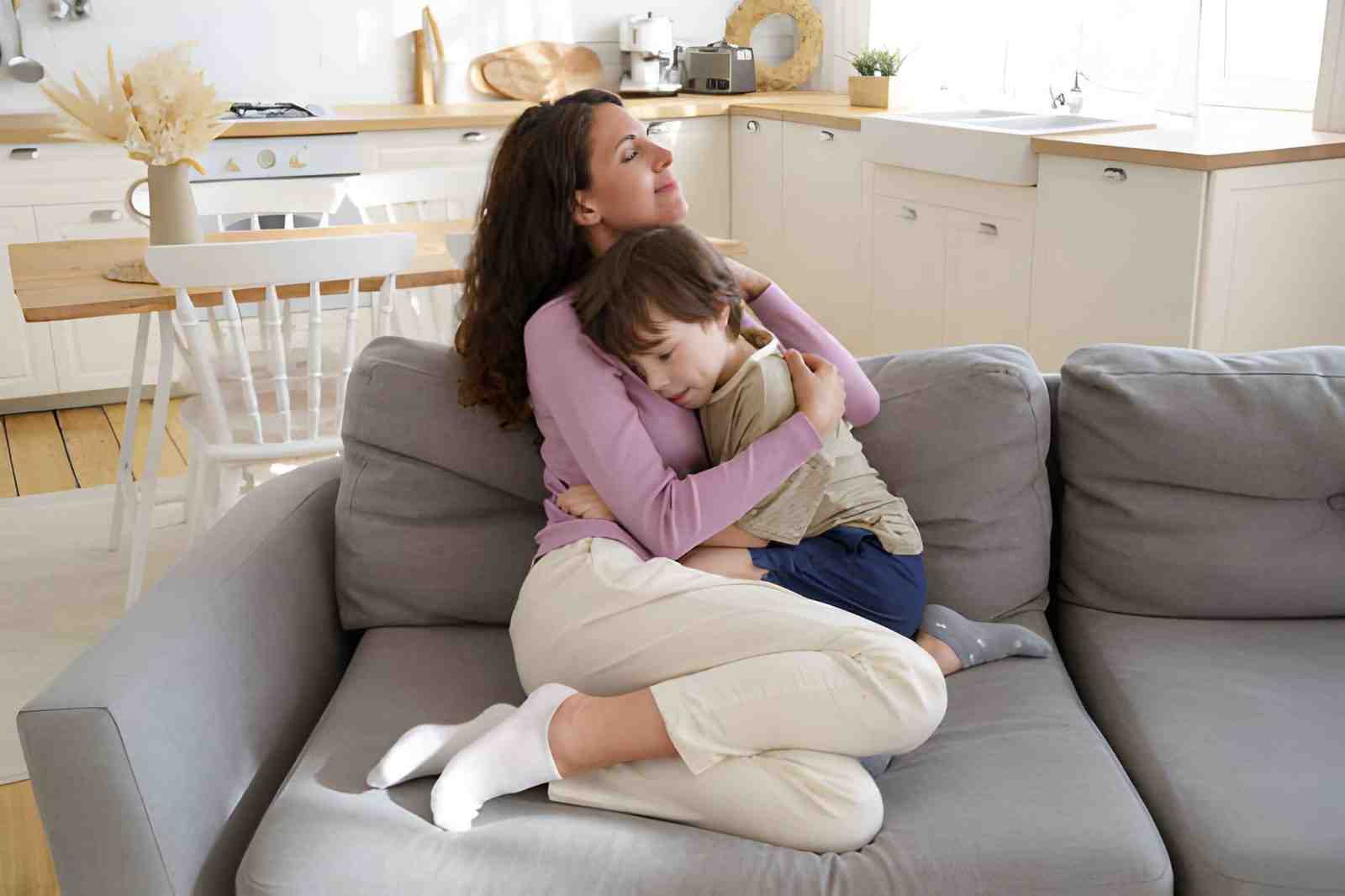
What You Can Do (Beginning Today)
If you’ve noticed some of these signs, don’t worry.
The first step is awareness
What helps is:
1. Look For Patterns
Pay attention to:
- When the rage comes
- What sets it off
- How your child responds
Patterns expose the real problem.
2. Prioritize Connection
Connect before you correct your child.
Spend time:
- Talking
- Playing
- Listening
Even 10–15 minutes of focused attention each day can make a difference.
A friend shared:
“I thought my child was just being difficult… until I realized he was actually struggling.”
That shift changed everything.
Instead of punishment, she gave support.
Instead of shouting, she listened.
And slowly… things improved.
3. Teach Emotional Words
Many kids act out because they lack the vocabulary.
Teach them to say:
- “I’m angry”
- “I’m frustrated”
- “I need help”
👉 Words reduce outbursts.
4. Keep Calm (Even When It’s Hard)
How you react teaches them how to react.
The more calm you are:
- The more secure they feel
- The faster they learn to control
5. Establish Clear, Consistent Boundaries
Tell them:
- What’s okay
- What is not
And stick to it.
- “I won’t let you hit.”
- “It’s okay to be angry but not to hurt others.”
6. Don’t Hesitate to Ask for Help
If the anger is:
- Intensive
- Work in progress
- Affecting daily life
Talking to a professional (like a child therapist or counselor) can help.
There’s no shame in seeking support.
Signs Your Child’s Anger Needs Attention
Your child’s anger isn’t just “bad behavior.”
It’s communication.
A message.
A sign that something inside needs looking after.
And when you decide to look deeper instead of reacting on the surface…
“You don’t just stop the anger. You help your child become emotionally stronger for the life.